


(The million emotions / Shutterstock.com)
As it turns out, health is not something one has or doesn’t have: it is a continuing journey requiring thought, work, and a sense of balance in terms of how one lives their life. It is this philosophy that motivates millennials and the Gen-Z generation to seek out holistic and evidence-based wellness trends in order to optimize a healthy life.
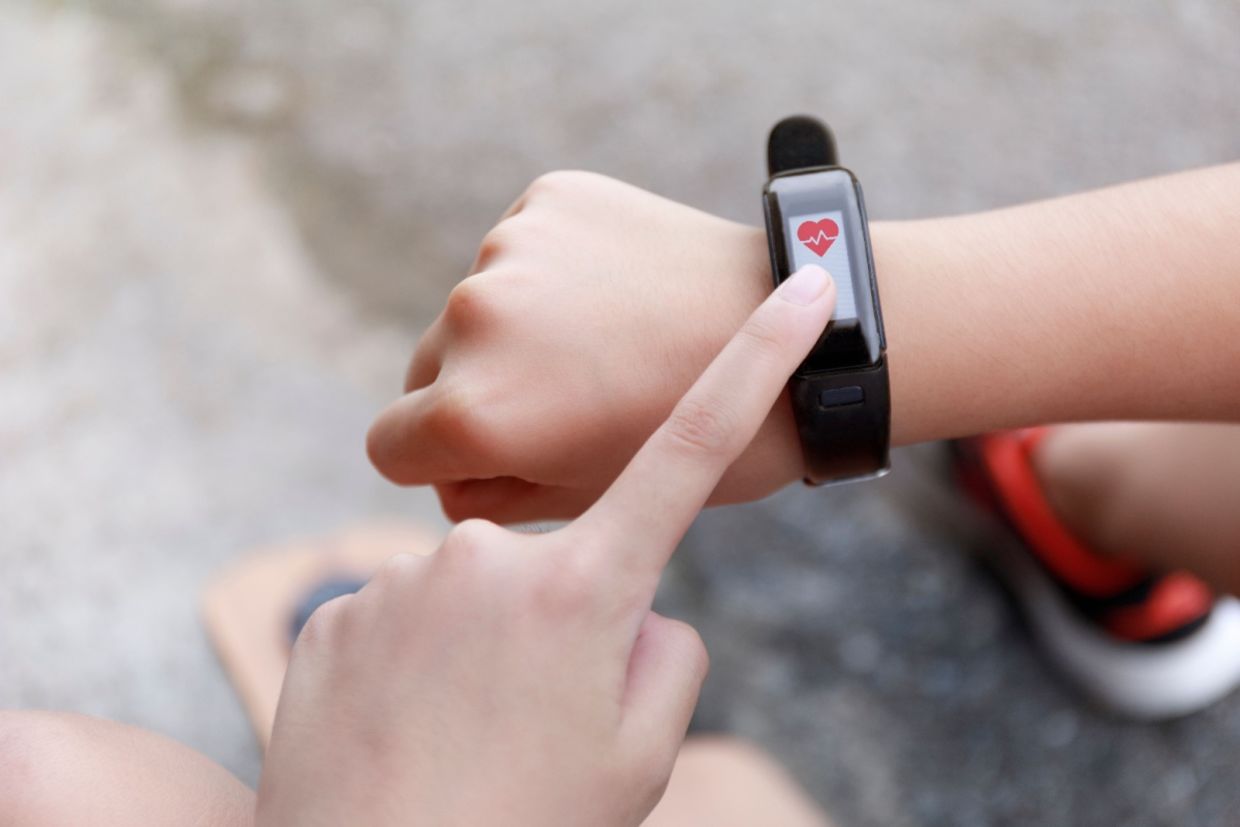
According to News Medical Life Sciences, some of the tools these generations use range from wearable tech, to mental health apps, and clean beauty products, giving them a well-rounded approach to their health.
Self-care, Authenticity, and Sustainibility
In a McKinsey consumer analysis, in a survey of over 7,500 individuals from six countries, 79 percent of respondents expressed that wellness was important to them, with 42 percent indicating that it is their first priority. Sociologically this may have to do with the fact that there is a growing cultural movement focusing on self-care, authenticity, and sustainability.
This is especially true for millennials and the Gen-Z generation who are influenced by social media: influencer recommendations, peer endorsements, and various wellness trends, stressed News Medical. And though this seems like the opposite of evidence-based behavior, the use of technological tools helps younger people ensure that the choices they make for their health are backed by science.
More Than Google
According to a blog on Japan Today Professor of Anthropology at the University of Auckland, Waipapa Taumata Rau, New Zealand, Susanna Trnka's research showed that young people (ages 14 to 24) regularly use tools such as Google to self-diagnose, and take online quizzes to evaluate their mental health.
At the same time, they are very wise to the various tricks the internet plays, and are able to determine what forms of online content are trustworthy, and when to contact a medical professional. They also openly discuss and compare wellness and health information with their parents and peers.
Most importantly though, Trnka discovered that for the younger generation, the definition of health was much wider than that of their parents. It was not only a factor of whether one was sick or not, but rather more all-encompassing and included things such as relaxation, dating, doing well in school, beauty, and more.
Older people often grumble about the youth of today and their tech. However, there is always something to learn from the young. Tech can be destructive and a distraction, but, used carefully and correctly it can also be an incredible tool for keeping healthy and broadening conceptions of what living a healthy life looks like.
YOU MIGHT ALSO LIKE:
Gen Z Balances Mental Wellness and Ambition to Drive Personal Growth
Letting Natural Beauty Shine
The Rise of the Deinfluencing Industry